Showing posts with label Aging. Show all posts

Monday, March 23, 2026

Creating in an Age of AI Slop


Making videos is hard. Not this is slightly inconvenient hard, but more like why does this 60‑second clip feel like it took a year off my life hard. Coming up with ideas, finding the time, setting up, recording, editing, posting, it all adds up. And the older I get, the more it feels like my energy is on a tighter budget than my bank account.

These days I don’t go out much. When I do, it’s with my family, not chasing chaos for content. That makes filming even harder, because I’m not trying to turn my kids into a show just so the algorithm will feed me a few extra views. I am not trying to create stuff just so it will get me views. So I’ve been leaning into writing again. I’ve always loved it. And in a world drowning in AI‑generated noise, it feels like one of the last places I can slow down and actually say something real.

Creating When You’re Tired and Life Is Full

1*4PtQVnHD65DhbMhQM7QSIw.jpeg

Let me be honest. I haven’t found a balance between life and creating. Not even close. I’m a parent, a husband, and a 40‑something whose idea of a wild night is staying awake past 11 without regretting it the next morning. The “grind every day, post three times, optimize everything” advice just doesn’t fit my reality.

It turns out I’m not alone. Surveys of social media professionals show that around three‑quarters feel overwhelmed by their responsibilities, and nearly 70% report mental exhaustion, with almost half saying they’re at or near burnout. That’s people who do this for a living, with tools and teams. For solo creators with jobs, kids, and aging bodies that creak for no reason, the pressure hits even harder.​

So when I say making videos is hard, it’s not just me being dramatic. It’s the reality of trying to create in a system that rewards constant output and doesn’t care if you’re a person or a content machine. That’s part of why I’m sitting here writing this instead of forcing myself to film something I don’t believe in.

AI Slop vs Actual Human Voices
1*rKvb6OV7UR9IwqVl85ZGzQ.jpeg

Now we’ve entered the era of AI slop. Endless, generic, auto‑generated videos, shorts, and posts pumped out at scale. It’s like someone built a factory that mass‑produces content‑shaped objects. They look like real videos, but when you watch them, there’s nothing behind the eyes.

People are starting to notice. Analyses of social trends in 2026 talk about “authenticity beating automation” and audiences prioritizing content that feels like it actually came from a human being. Articles like Authenticity Is Winning on Social in 2026 seem to agree. People can tell when something’s generic and rushed, and they’re over it.

AI‑generated content itself isn’t the enemy. The real problem is when it gets used as a shortcut instead of a support tool to crank out dozens of recycled videos with no real perspective behind them. That’s what I mean by AI slop. Content built to feed the feed, not to say anything.

Using AI Without Losing Yourself
1*r4UrTuomPddY0rmPVq_Pgg.jpeg

Here’s the tension I live in. I do use AI. But I’m not trying to outsource my soul to a language model. There’s a fine line between AI‑assisted and AI‑replaced, and that line is everything.

Even the people studying this stuff are saying the same thing. Pieces on AI and social media argue that the healthiest setup is AI in a supporting role (helping with research, outlines, and analysis) while humans still own the voice and the final decisions. When AI takes over the front of the content instead of the back, the voice gets flat, interchangeable, and forgettable.

That’s how I try to use it. I bring the story, the scars, the perspective. AI helps me structure, clarify, and sometimes pull in stats or sources I wouldn’t have found as fast. But if I ever catch myself copy‑pasting something I don’t actually feel, that’s the moment I know I’ve crossed from tool into slop.

The Kids Drowning in Content We Didn’t Have

1*XSC0012h2DGrwjK0sYF22Q.jpeg

There’s another layer to this that bothers me more than anything. AI slop aimed at kids. The mind‑numbing, hyper‑stimulating, auto‑generated stuff flooding YouTube, TikTok, and everywhere else. Infinite bright colors, fast cuts, weird voiceovers, and nothing of substance. Content farming disguised as entertainment.

Research on short‑form video and kids is starting to put numbers behind what we all feel in our gut. One study of more than 500 children found that higher use of short‑form video (those fast, swipeable clips) was significantly associated with more inattentive behaviors, especially in younger kids. Articles breaking down “brain rot” and doomscrolling warn that this endless, high‑arousal content may be reshaping how kids process information and handle boredom.

I’ve already started talking about this publicly. If you want to see me rant on camera instead of on the page, I did a video called “AI Slop Rewiring Kids Brains?” where I dig into how this kind of content might be messing with young attention spans and expectations of reality. Click the link to check it out or watch it above. That topic deserves its own full article, but it’s connected to this one, because the same tools that can help us create better can also be weaponized to keep kids endlessly hooked.

Algorithmic Burnout and Why I’m Writing More

1*2QU35ZVO_7-tjTykv8zLZA.jpeg

At some point I had to admit, the way I was trying to create wasn’t sustainable. I’d beat myself up for not posting enough, not filming enough, not capitalizing on the moment, as if life is just raw material for content. But the more I read, the more I realized this isn’t just a me problem.

Writers have started calling it algorithmic burnout. That feeling of being trapped in an endless, noisy feed where you’re expected to post constantly just to stay visible. Analyses of social media in 2026 talk about users and creators walking away from traditional feeds and looking for slower, more meaningful spaces because they’re exhausted by AI‑generated noise and engagement‑at‑all‑costs design.

So I’m giving myself permission to lean into what feels sustainable, writing. I can sit with my thoughts. I can take the time to craft something real. I can still show up honestly without turning my life or my kids into an endless highlight reel. And if the algorithm doesn’t like that, well…the algorithm isn’t the one who has to live with my burnout.

Old, Honest, and Still Here

1*WE3dUvfPnsoeC1fvvr2oZA.jpeg

I joke about being old, but getting older has given me something that matters more than views, perspective. I know what it feels like to waste years chasing instant hits. For almost two decades my life revolved around chasing drugs, parties, and chaos. I’m not interested in spending the second half of my life chasing a digital version of the same thing.

In a weird way, this whole AI slop era is forcing me to be clearer about why I create at all. I’m not here to flood your feed. I’m here to share what I’ve lived through, the mistakes I’ve made, the things I’m still trying to figure out. If AI can help me say that more clearly, cool. If it tries to turn me into a content mill, it can get out of the way.

The internet doesn’t need another perfect, polished, soulless clip. It needs more people telling the truth about how hard it is to be human right now. Tired, busy, anxious, hopeful, and still trying. That’s what I’m aiming for, whether it’s in a video, a post, or a piece of writing like this.

Thanks for reading everyone! Visit my site to learn more about me and explore what I’m building at Learn With Hatty. Remember, stay curious and keep learning.

Original article on BULB
Saturday, March 15, 2025

Aging Gracefully - Simple Steps to Stay Healthy and Strong

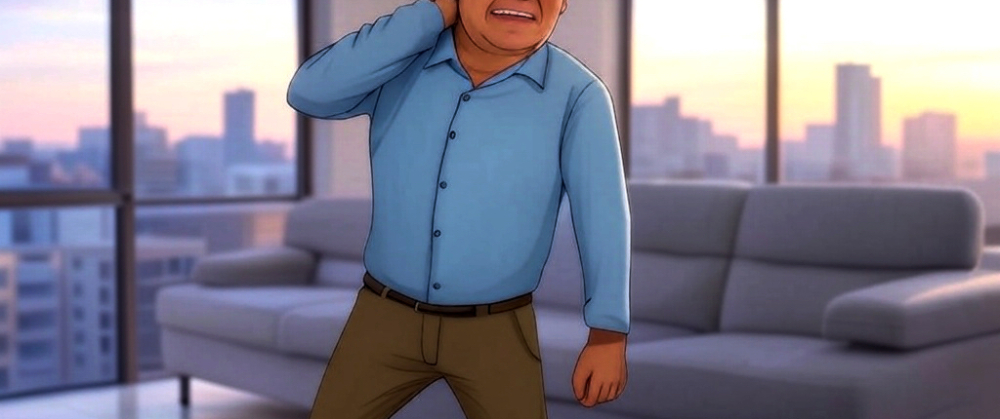
 Aging is something we all face, but it hit me hard recently when I tried moving furniture on my own. I thought I could handle it, but I ended up tearing muscles in my neck, back, and shoulder. Also come to find out I pinched some nerves which is causing all sorts of issues. The pain was a wake-up call, my body isn’t as young as it used to be, and I need to take better care of it. That experience pushed me to learn more about how our bodies age and what we can do to stay healthy as the years go by. Aging doesn’t have to mean slowing down or feeling weak. With the right habits, like exercising, eating well, and stretching, we can keep our bodies and minds strong. In this article, I’ll share what I’ve discovered about aging and simple ways to live better, so you can avoid my furniture-moving mistake and feel your best at any age.

How Our Bodies Age


Aging is a natural part of life. It starts deep inside us, at the level of our cells. Over time, things like stress, pollution, and even normal wear and tear damage our cells. Our DNA, which acts like the instruction manual for our bodies, starts to change too. Tiny pieces at the ends of our DNA, called telomeres, get shorter, and that makes it harder for cells to repair themselves. Scientists call this “cellular aging,” and it’s why we might notice wrinkles, weaker muscles, or stiffer joints as we get older.

As we age, our muscles shrink, a condition called sarcopenia, and our bones lose density, making them easier to break. Our hearts don’t pump as efficiently, and our brains might not stay as sharp unless we work to keep them active. These changes don’t happen overnight, but they add up. For me, trying to lift that heavy couch showed how those years of gradual change had weakened my back and shoulders more than I realized. The good news? We can slow this process down with some smart choices.

Exercise—Your Secret Weapon Against Aging


Exercise isn’t just for young athletes, it’s one of the best ways to keep your body young. Moving around helps your heart, strengthens your muscles, and even keeps your bones solid. Research shows that regular exercise can cut down on “senescent cells,” which are old cells that cause problems like arthritis or heart disease. For older adults (65 and up), experts suggest about 150 minutes of activities like walking or biking each week, plus some muscle-building exercises twice a week. Looks like I might need to be changing a good amount of things in my life.

After my furniture fiasco, I started small with walks around the block. It wasn’t much, but it helped my back feel less stiff. Something surprising I learned is that high-intensity interval training (HIIT), short bursts of fast exercise, can boost your energy at the cellular level by up to 69%. Now I do not suggest doing that if you are in pain. Start slow and small and work your way up as you start feeling better. That’s like turning back the clock inside your body! You don’t need a gym either. Lifting cans of soup at home or doing squats while watching TV can make a difference. Exercise keeps you strong so you don’t end up like me, wincing every time you reach for something.

Stretching—Keeping Your Body Flexible


Stretching might sound boring, but it’s a game-changer as you age. It keeps your muscles and joints flexible, so you can bend, reach, and move without pain. After my injury, my neck and shoulders were so tight I could barely turn my head (well it is still pretty bad but getting better each day I follow a routine). Stretching a few minutes a day, like reaching for the sky or touching my toes, started loosening things up. Experts say stretching two or three times a week can help you stay limber and lower your chances of falling, which is a big deal as we get older.

Think of your body like a rubber band. If you don’t stretch it, it gets stiff and snaps easily. Stretching keeps it pliable. It’s not just about feeling good today, it’s about being able to tie your shoes or climb stairs years from now. My shoulder, back, and neck are still stiff and hurting, but stretching has made it easier to get through the day without feeling like I’m 90.

Eating Right to Stay Young


What you eat matters more as you age. A diet full of fruits, veggies, whole grains, and healthy fats, like the kind in nuts or fish, can protect you from diseases like diabetes or heart trouble. I used to grab fast food too often, but after my injury, I started adding more greens and lean meats to my plate. It’s not about starving yourself, research shows eating a little less than you’re used to, called caloric restriction, might slow aging, but the real key is balance.

In places where people live the longest, like parts of Italy or Japan, they eat lots of plants and not much junk. I’ve started swapping chips for carrots, and I feel less sluggish already. Older folks like us (I am hitting 40 this year in June) might need extra protein too, to keep muscles from wasting away. A simple trick? Toss some beans or chicken into your meals. Good food fuels your body to heal, like it’s helping my back recover, and keeps you going strong.

Taking Care of Your Mind


Aging isn’t just about your body, your mind needs love too. After my injury, I felt down, stuck at home and sore. That’s when I realized how much my mood affects my health. Loneliness is a big problem as we age, about one in seven older adults deals with mental health issues like depression. Staying connected with friends or family can lift your spirits. I called up my parents to chat, and it made a tough day brighter.

Keeping your brain busy helps too. Puzzles, reading, or even learning a new hobby (Crypto is the key for me) can keep your mind sharp. Stress can age you faster, so I’ve tried breathing slow and deep when I’m frustrated, it’s simple but works. A healthy mind keeps you feeling young, even when your body’s complaining about that furniture you shouldn’t have moved.

Slowing Aging and Avoiding Trouble


You can’t stop aging, but you can slow it down. Scientists found eight big things, like exercising, eating well, and sleeping enough, that can make you age up to six years slower. After my injury, I started drinking more water and aiming for seven hours of sleep. It’s not fancy, but it helps my body recover. Avoiding smoking and cutting back on booze matters too (I am not a big drinker so that is a plus), those habits speed up aging and make health problems worse.

To dodge complications, get regular check-ups. Catching issues early, like high blood pressure, keeps them from sneaking up on you. My neck and back taught me to listen to my body. If I’d stretched or asked for help with that couch, I might’ve skipped the pain. Little habits add up to big wins over time.

Final Thoughts


Aging doesn’t have to scare us. My furniture-moving mess showed me I’m not invincible, but it also proved I can bounce back with the right steps. Exercise keeps you strong, stretching keeps you loose, good food keeps you healthy, and a happy mind keeps you going. Start small, walk a bit, stretch a little, eat an apple instead of a cookie. These aren’t hard rules, they’re tools to feel better. I’m still healing, but I’m stronger than I was mentally (working on the physical part), and you can be too. Let’s age gracefully, not grudgingly, one smart choice at a time. Even the little things count when it comes to your health.

(This article was written by HattyHats and the help of AI)

Twitch — Come and join my lives, where I talk about everything blockchain, crypto, and AI. (Lives are canceled due to the problems I talked about in this article. Hopefully we will be back up and running in no time 💪 I am going to take this time to find what I truly want to do and make some serious life changes)

On The Node — Earn MLX blogging

My favorite earning platforms.
Tangled — Earn MLX social media (WMLX)
BULB — Earn BULB blogging (SOL)
The Arena — Earn AVAX social Media (AVAX)
Slice — Earn BTC watching YouTube and surfing the web (Lightning Network)
ZBD — Earn BTC playing games and taking surveys (Lightning Network)
Use code G96DF6

Follow me on X
Check out my YouTube Channel

Check out my website for more ways to earn Cryptocurrency and to see what projects I am following.

Original Article on On The Node

The Quantum Apocalypse is coming…but not in the way you think

  If you’ve spent any time scrolling through tech news lately, you’ve probably seen the headlines. Quantum computing is usually portrayed as...